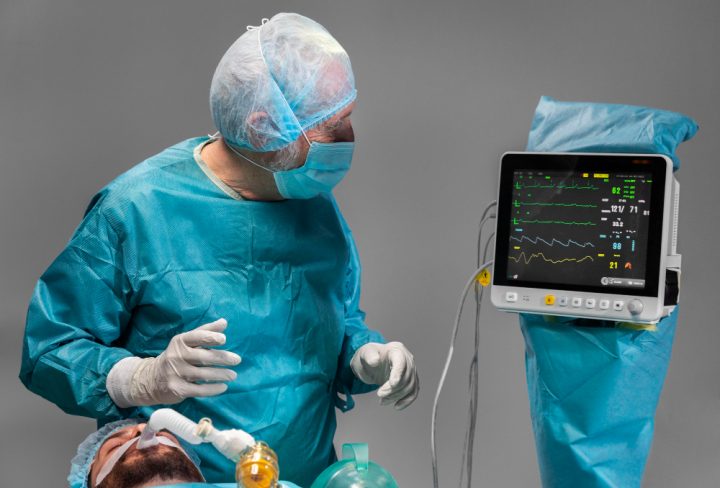
The intra aortic balloon pump (IABP) is a special heart support device. Doctors use it to help the heart pump blood when it is weak or stressed. This device is important in cardiology because it can save lives during heart emergencies. In many cases, the intra aortic balloon pump gives the heart a chance to rest and heal. It is often used in hospitals for people with serious heart problems. Because of its role, the IABP is a key tool in advanced cardiac care.
How Does an Intra Aortic Balloon Pump Work?
The intra aortic balloon pump works by helping the heart move blood more easily. It uses a thin tube with a balloon at the end. This tube goes into a large blood vessel called the aorta. The balloon inflates and deflates in time with the heartbeat. As a result, the heart does not have to work as hard.
Because of this action, the IABP helps the heart get more oxygen and rest.
When Is an Intra Aortic Balloon Pump Used?
Doctors use the intra aortic balloon pump in several heart conditions. It is not for everyone, but it can be life-saving in certain cases. Common situations include:
Sometimes, the IABP is used for a short time until the heart gets stronger.
Benefits of the Intra Aortic Balloon Pump
The intra aortic balloon pump offers many benefits for patients with weak hearts. For example, it can:
Because of these benefits, the IABP is a trusted tool in emergency cardiac care.
Risks and Possible Complications
Like any medical procedure, the intra aortic balloon pump has some risks. Most people do well, but some may have side effects. Possible risks include:
Although these risks are rare, doctors watch patients closely to catch problems early.
What to Expect During and After the Procedure
Before the procedure, doctors explain the steps and answer questions. First, you may get medicine to help you relax. The doctor cleans the skin and numbs the area. Then, the IABP tube is placed into an artery, usually in the leg. The balloon is guided up to the aorta using X-ray pictures. Once in place, the machine starts working right away.
After the procedure, you will stay in the hospital for close monitoring. Nurses check your heart, blood pressure, and the insertion site often. You may need to keep your leg straight and rest in bed. The IABP usually stays in for a few days, depending on your recovery. When your heart is stronger, the doctor will remove the device. After removal, you may need to rest and avoid heavy activity for a short time. Follow all care instructions to help your body heal.
Frequently Asked Questions
Is the intra aortic balloon pump painful?
Most people feel only mild discomfort. The area is numbed before the tube is inserted. You may feel pressure, but pain is rare.
How long does the IABP stay in place?
The IABP is usually used for a few days. However, the exact time depends on your heart condition and how well you recover.
Can I move around with the IABP?
While the device is in place, you may need to stay in bed. This helps prevent problems at the insertion site. Nurses will help you stay comfortable.
Are there other heart support devices?
Yes, there are other devices like ventricular assist devices (VADs) and extracorporeal membrane oxygenation (ECMO). Your doctor will choose the best option for your needs.
What happens after the IABP is removed?
After removal, you will rest and recover. The care team will watch for any problems and help you get back to normal activities.
Consult a cardiologist for personalized advice about intra aortic balloon pump therapy.